Digital Health · Behaviour Change · Physical Activity

How People Understand and Act on Health Information Online

I am the founder of SISFIT Academy and a prospective doctoral researcher interested in digital health literacy, behaviour change and physical activity. My research direction grows from large-scale health-education practice, systematic evidence synthesis and current formal research-methods training.

PhD Research Profile
Prospective doctoral focus Digital health literacy · health communication · behaviour change · physical activity
Current research 3 reproducible secondary-analysis projects (HINTS 7 · HINTS 6+7 · NHANES PAM) · 2 systematic evidence-synthesis projects · 1 jointly maintained open research micro-map
Methods development Quantitative analysis · evidence synthesis · mixed-methods development
Formal preparation PU5027 Research Design · University of Aberdeen · 2026–27

From Practice to Research Questions

My background combines a Master of Teaching with years of health-education, curriculum and digital-content practice. That work made one limitation clear: platform metrics can describe attention, but they cannot establish whether people understood health information or changed behaviour.

That gap now drives my research direction. My current preparation combines systematic evidence synthesis, reproducible secondary-data analysis and formal research-design training, with qualitative and mixed-methods work as a developing doctoral direction.


Research Focus:
> Digital health literacy
> Behaviour change & physical activity
> Health communication in digital environments
                    
Prospective Doctoral Direction

Learning Health in the Digital Age

A working doctoral direction to be refined for the supervisory and project context.

Working Research Theme

Investigating how social-media content design, digital health literacy and platform environments may shape engagement with, comprehension of and responses to physical-activity guidance.

Potential approaches under consideration: systematic evidence synthesis; observational platform-data analysis where governance permits; qualitative and mixed-methods research.

Selected Research Project

HINTS 7 Secondary Analysis

A completed reproducible analysis demonstrating quantitative research practice beyond coursework.

Independent Secondary Analysis Reproducible · 2026

Social-Media Health Information Judgement & Use

Secondary analysis of the U.S. National Cancer Institute's nationally representative HINTS 7 (2024) public-use dataset, examining whether difficulty judging the truthfulness of social-media health information is associated with using social-media information for personal health decisions.

5,183

Primary complete-case sample

OR 1.83

Adjusted association · 95% CI 1.42–2.34

50 JK1

Replicate weights for variance estimation

Methods: survey-weighted logistic regression, JK1 replicate-weight variance estimation, ordinal sensitivity analysis and model-specification checks.

Interpretation: cross-sectional association only; no causal claim and no claim that a single HINTS item is a validated digital-health-literacy scale.

Related Open Research Resource

Physical Activity Adherence — Digital Intervention Micro Map v0.1

身体活动依从性 — 数字干预微地图 v0.1

Joint Open Research · Catherine Ge + Starr Choi v0.1 Frozen · 10 Studies

How do digital interventions try to support sustained physical activity?

The map structures 10 selected adult digital physical-activity intervention studies by population, target behaviour, intervention components, behaviour-change mechanisms, duration, outcomes and time-dependent results.

Emerging design question: under what conditions does a digital self-monitoring + feedback loop remain behaviourally salient long enough to support physical-activity maintenance?

Attribution: this open research project is jointly maintained by Catherine Ge and Starr Choi. It remains methodologically distinct from Catherine's independent secondary-analysis projects while directly overlapping with her prospective doctoral interests.

Methods & Evidence

Research Capabilities Linked to Evidence

Capabilities are shown through completed or current research artifacts rather than self-rated proficiency.

Secondary-Data Analysis

HINTS and NHANES public-use datasets; reproducible single-cycle, repeated cross-sectional and device-linked analysis workflows.

Complex Survey Analysis

HINTS replicate-weight designs plus NHANES MEC weights, masked strata and PSU-based variance estimation.

Regression & Sensitivity

Survey-weighted logistic and linear models, ordinal and interaction analyses, and prespecified model/data-completeness sensitivity checks.

Evidence Synthesis

Two systematic evidence-synthesis projects currently in progress.

Research Design

PU5027 Fundamentals of Research Design, University of Aberdeen — in progress.

Knowledge Translation

SISFIT health education, curriculum development and public-facing professional outputs.

Formal Research Preparation

Research Methods & Training

Formal Research Preparation In Progress · 2026–27

PU5027 Fundamentals of Research Design (Online)

University of Aberdeen

Formal training in research design and critical research decision-making.

Research Trajectory

From Professional Practice to Doctoral Research

1 · Practice

Health Education at Scale

Years of exercise, rehabilitation and digital health-education practice.

2 · Research Questions

Engagement ≠ Understanding

Practice exposed the gap between platform engagement, comprehension and behaviour.

3 · Evidence Synthesis

Systematic Review Work

Two systematic evidence-synthesis projects in progress.

4 · Methods Training

Formal Research Design

PU5027 at the University of Aberdeen, 2026–27.

5 · Empirical Analysis

HINTS + NHANES Analyses

Survey-weighted health-communication analyses plus device-linked physical-activity analysis with reproducible code and sensitivity checks.

6 · Doctoral Direction

Digital Health Research

Digital health literacy, behaviour change, physical activity and health communication.

Practice & Knowledge Translation

Selected Professional & Knowledge-Translation Outputs

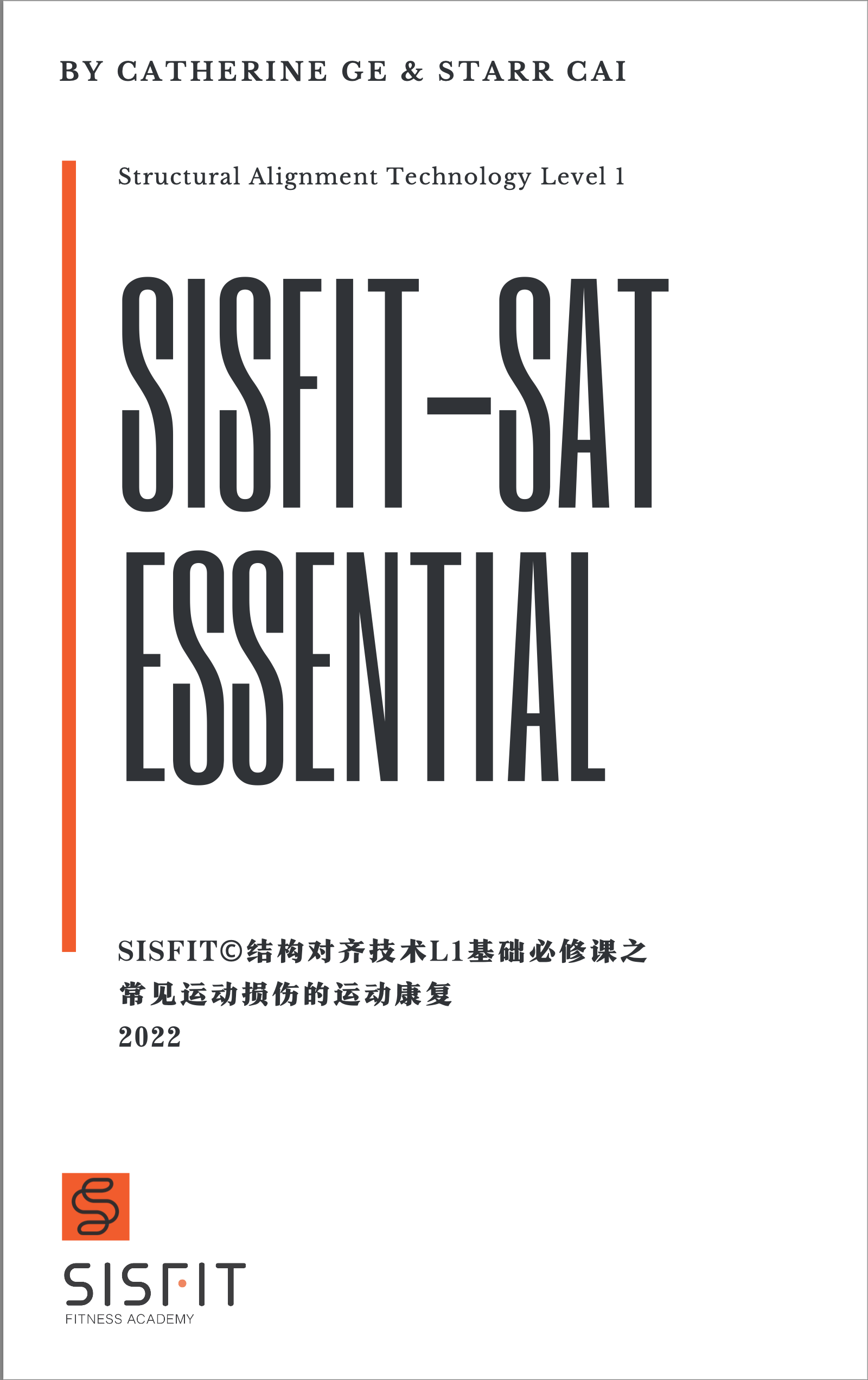
SAT Textbook Educational Resource

SISFIT-SAT Textbook

Exercise and rehabilitation education materials developed for practitioner learning.

Youth Fitness Curriculum Work

ACSM Youth Fitness

Youth fitness curriculum work focused on physical activity and health education.

Rehab Handbook Published Handbook

Rehabilitation Handbook

Published rehabilitation education material for public and practitioner outreach.

Practice-Based Research Context

SISFIT provides a large-scale digital health-education practice environment. Its audience, content archive and platform analytics can generate hypotheses and inform future research, but they are not presented here as a pre-existing research cohort.

300,000+

Cumulative Cross-Platform Audience

Practice reach across SISFIT platforms.

2.75 Million+

Monthly Platform Interactions

Platform-level engagement metrics, not validated health outcomes.

3,000+

Health-Education Content Assets

Published content archive across formats and topics.
Representative Practice Metric · Jan 2026
Representative historical Douyin platform analytics

Historical Platform Analytics

One representative record from SISFIT's practice archive. Additional platform metrics are context for research-question development, not research outcomes.

Recent Research Updates

Current Work at a Glance

October 2026
Physical Activity Adherence Micro Map v0.2

Working 15-study structural map added with phase, active-comparator, adaptation, exposure and maintenance fields; external methodological validation remains pending.

View working map
October 2026
HINTS 6 + 7 repeated cross-sectional analysis

Public reproducible analysis added to compare the focal health-information association across the 2022 and 2024 survey cycles.

View project
October 2026
NHANES device-measured movement analysis

Public reproducible analysis added linking wrist movement summaries with self-reported leisure physical activity using the NHANES complex survey design.

View project
Contact & Collaboration

Research Enquiries & Availability

Open to funded PhD opportunities and research-team roles aligned with digital health, health communication, behaviour change and physical activity.

Current availability

Interested in doctoral supervision, research collaboration and research roles where the work can build rigorous methods, supervised research experience and a stronger evidence base around digital health and physical-activity behaviour.

Why this work

The central problem is not simply whether health information attracts attention, but whether people can judge it, understand it and sustain useful action over time.

Last updated: October 2026.
